
The hardest part of arranging care is rarely the paperwork. It is the moment you realise someone you love can no longer manage the way they used to, and the decision lands on you.
Most families arrive at the same fork: bring home care into the house, or move to a care home. Both can be the right answer. The trick is working out which one fits the person in front of you, not the average person in a brochure.
What home care actually means
Home care brings trained carers to the person, in their own home, for as much or as little time as they need. That can be a half-hour visit to help with medication and breakfast, a few hours a day, or a live-in arrangement.
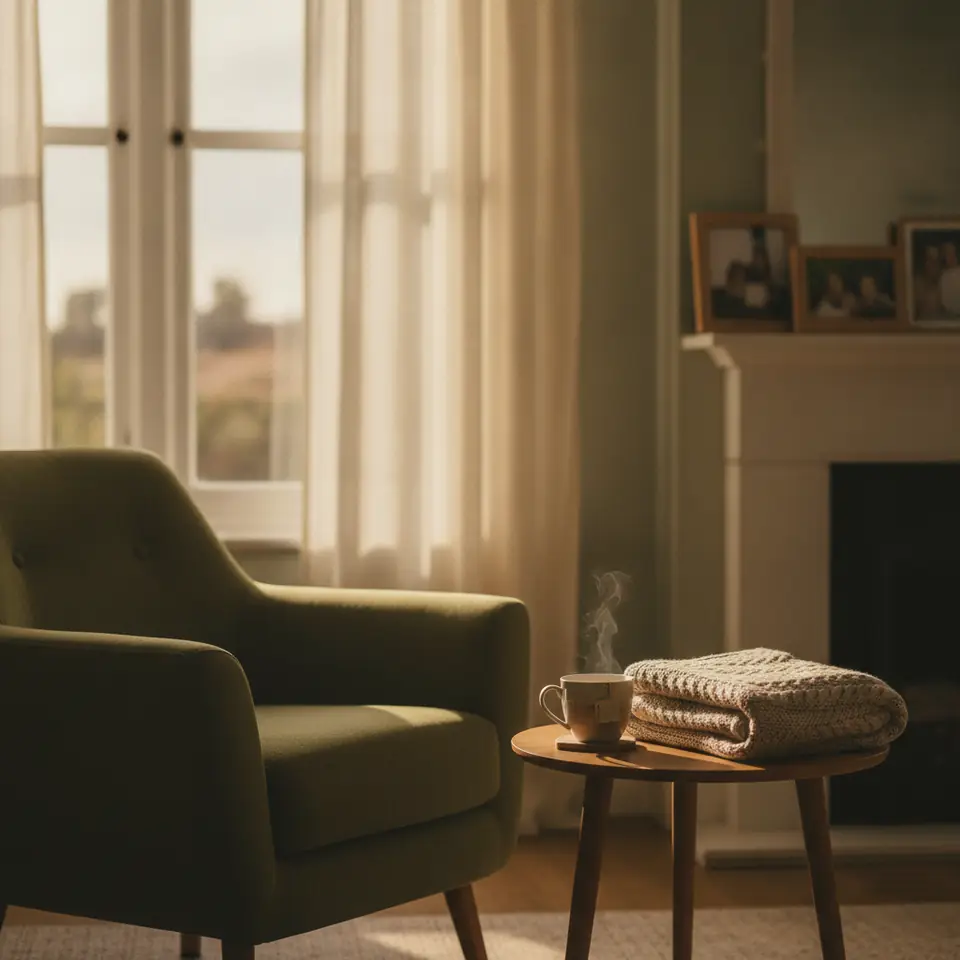
The care plan is built around the person's routine: when they wake, what they eat, how they like things done. The point is continuity. The surroundings stay familiar - the neighbours, the garden, the chair by the window. For someone living with memory loss, that familiarity is often what keeps them calm and oriented.
What changes with a care home
A care home moves the person into a setting built for care, with staff on site around the clock. For intensive nursing needs, or a point where living alone is no longer safe even with visiting carers, it can be the better choice.
A good care home is not a lesser option. It is a different one. The honest question is not "which is better," but "which matches this person's needs now, and for the next year."
The questions families actually weigh
In practice, the decision turns on a handful of things:
- What does the person want? Most people would rather stay in their own home. That wish carries weight, balanced against safety.
- How much help is needed, and how often? Occasional support points to home care. Round-the-clock clinical need points to a care home.
- Is the home suitable? Stairs, bathrooms and layout matter. Many homes can be adapted; some cannot.
- How quickly are things changing? A stable situation lets you start small and scale up. A fast-declining one may need the certainty of a care home sooner.
- Who is nearby? Family close by changes what home care can realistically cover.
What staying at home looks like with the right support
When home care works, it is because the plan fits the person. At Soma Healthcare we have arranged care across London and Essex, and the pattern holds: people do best when they keep their independence and their dignity, and when the same familiar carers turn up and know them.
That means a plan shaped around the individual, not a fixed template - and starting at the level of help that is genuinely needed, then adjusting as things change.
When a care home is the right call
If a person needs skilled nursing through the night, or supervision no visiting schedule can safely cover, a care home may be the responsible choice. Saying so is not giving up. It is matching the care to the need. A reputable provider will tell you this honestly rather than stretch a home arrangement past the point where it keeps someone safe.
Where Soma fits
We help families have exactly this conversation, without pressure to choose us. If you are weighing the options for a parent or relative in London or Essex, talk to our team on 020 7093 4710. We will help you work out what the person actually needs, and tell you plainly whether home care is the right answer.
Frequently asked questions
Can home care handle dementia? Often yes, with a plan built around routine and familiar carers. The right level depends on the stage and on safety at home.
Can we start small and increase later? Yes. A good plan starts at the level of need and scales as things change.
How do we pay for home care? Several funding routes exist in the UK. We can point you to the right starting place.
Don't know where to start?
Please contact us any time and we will be happy to assist you during this process.